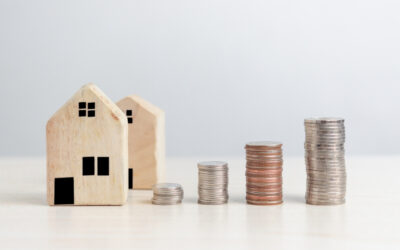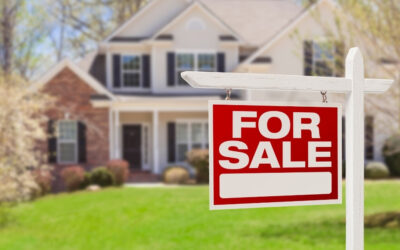
Pricing your home correctly is one of the most important factors in ensuring a successful sale. Set the price too high, and you risk your home sitting on the market for too long, deterring buyers and requiring price reductions. Price it too low, and you may leave money on the table. Finding the right balance is key to attracting serious buyers while maximizing your home’s value. Whether you’re selling in a competitive or slower market, understanding how to price your home strategically will help you sell quickly and for the best possible price.
Understand the Local Market
The first step in pricing your home right is understanding the current real estate market conditions in (City). Markets fluctuate based on factors such as inventory levels, interest rates, and buyer demand. Your real estate agent can help you determine whether you’re in a seller’s market, where demand is high and homes sell quickly, or a buyer’s market, where there is more inventory, and buyers have more negotiating power.
Looking at recent sales in your area will give you an idea of how much similar homes have sold for. Pay attention to factors like square footage, home condition, lot size, and upgrades to compare your home to others accurately. Your agent can provide a comparative market analysis, which examines recently sold homes, pending sales, and active listings to help you determine a competitive price.
Consider the Condition of Your Home
The condition of your home plays a significant role in its pricing. A well-maintained home with modern upgrades, fresh paint, and desirable features will likely sell for more than a home that needs repairs or renovations. Buyers are often willing to pay a premium for move-in-ready homes, while properties that require significant work may need to be priced lower to attract interest.
If you’re looking to get top dollar for your home, consider making minor improvements such as updating fixtures, refinishing floors, or improving curb appeal. Your agent can advise you on which upgrades are worth the investment and which ones may not provide a strong return.
Avoid Overpricing Your Home
One of the biggest mistakes sellers make is overpricing their home, thinking they can always lower the price later. While it may seem like a good strategy, an overpriced home can scare off buyers and sit on the market longer than necessary. The longer a home stays on the market, the more likely buyers are to assume something is wrong with it.
If your home doesn’t receive much interest in the first few weeks, you may have to make price reductions, which can make buyers wonder if the home is overpriced or has hidden issues. Pricing your home correctly from the start generates more interest, increases the chances of receiving multiple offers, and ultimately helps you sell faster at the best price.
Factor in Pricing Strategies
There are different pricing strategies you can use depending on your goals and the current market.
Competitive pricing involves setting your home’s price slightly below similar homes on the market to attract more buyers quickly. This strategy is effective in a competitive seller’s market where homes sell fast, and bidding wars are common.
Market value pricing involves setting your home at a price that aligns with comparable sales in your area. This approach helps position your home competitively while ensuring buyers see it as a fair deal.
Psychological pricing is a strategy that involves setting a price just below a round number, such as pricing a home at $499,000 instead of $500,000. This can make the home feel like a better deal and attract more buyers searching within specific price ranges.
Adjust for Market Trends
Real estate markets fluctuate based on seasonal demand, interest rates, and economic conditions. In a strong seller’s market, you may have the flexibility to price slightly higher due to limited inventory and high demand. In a buyer’s market, where more homes are available and competition is higher, you may need to price more competitively to stand out.
Your real estate agent will analyze market trends, including the average days on market for similar homes, the list-to-sale price ratio, and whether home values in (City) are trending upward or downward. Using this data, they can help you make an informed decision on pricing.
Be Open to Adjustments
Even with careful pricing, the market ultimately determines how much buyers are willing to pay. If your home isn’t receiving offers or showings, it may be a sign that the price needs adjusting. Pay attention to feedback from buyers and real estate agents, and if necessary, work with your agent to reassess your pricing strategy.
Reducing the price early, rather than waiting too long, can help prevent your home from becoming stagnant on the market. A small price adjustment can attract new interest and bring in serious buyers who may have overlooked it previously.
Work with a Real Estate Professional
Pricing a home correctly requires experience, market knowledge, and strategic planning. A real estate agent can help you evaluate comparable home sales, assess your home’s unique features, and develop a pricing strategy that aligns with current market conditions in (City). They can also market your home effectively, ensuring it reaches the right buyers.
If you’re thinking about selling your home in (City), contact (Agent Name) today for a free home valuation and expert guidance on pricing your home right. A well-priced home sells faster, attracts more buyers, and ensures you get the best return on your investment. Let’s work together to maximize your home’s value and achieve a successful sale.