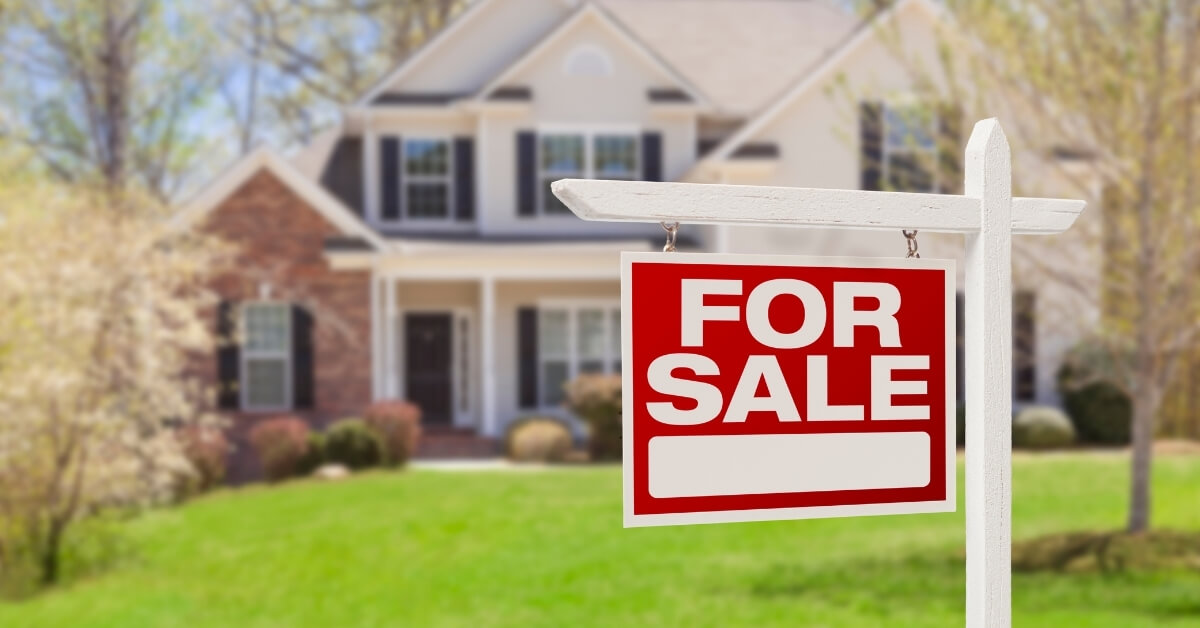
Selling your home is a significant financial decision, and understanding the process can help you maximize your profit while minimizing stress. Whether you’re relocating, upgrading, or downsizing, having a strategic plan in place ensures a smooth and successful sale. This guide will walk you through every step of selling your home in (City), from preparing your property for listing to closing the deal with confidence.
Determine Your Home’s Market Value
The first step in selling your home is determining its market value. Pricing your home correctly is crucial, as an overpriced home may sit on the market for too long, while an underpriced home may leave money on the table. A professional real estate agent can provide a comparative market analysis by evaluating recent sales of similar homes in (City). Factors such as location, square footage, condition, and upgrades will impact your home’s value.
To get an initial estimate, you can also use online home valuation tools, but these are not always accurate. Working with a local real estate expert ensures your pricing strategy aligns with current market conditions, helping you attract serious buyers and competitive offers.
Prepare Your Home for the Market
Before listing your home, it’s important to make it as appealing as possible to potential buyers. Start by decluttering and depersonalizing the space so buyers can envision themselves living in the home. Consider making minor repairs, such as fixing leaky faucets, repainting walls in neutral colors, and replacing outdated fixtures.
Boosting curb appeal is just as important. The exterior of your home is the first thing buyers see, so mowing the lawn, adding fresh mulch, and ensuring the front entrance is inviting can make a great first impression. If your home requires more extensive updates, your real estate agent can advise you on which improvements will provide the best return on investment.
Work with a Real Estate Agent
An experienced real estate agent is a valuable asset when selling your home in (City). Your agent will handle pricing, marketing, showings, negotiations, and paperwork, ensuring you get the best possible outcome. They will also help navigate challenges, such as appraisal gaps, buyer financing issues, or multiple offer situations.
A real estate professional understands local market trends, buyer preferences, and pricing strategies, which can make a significant difference in how quickly your home sells and for how much. Additionally, they have access to an extensive network of potential buyers and other real estate professionals, increasing exposure for your property.
Create a Marketing Strategy
Effective marketing is key to attracting qualified buyers. Your real estate agent will develop a marketing plan that includes professional photography, virtual tours, online listings, and social media promotion. High-quality photos and videos help showcase your home’s best features and generate more interest.
Listing your home on major real estate websites, local MLS platforms, and social media channels ensures maximum exposure. Open houses and private showings also allow buyers to experience your home firsthand, increasing the likelihood of receiving strong offers.
Negotiate Offers and Accept the Best One
Once your home is listed, buyers will begin submitting offers. Your agent will help you review each offer, considering not just the price but also contingencies, financing terms, and the buyer’s timeline. Common contingencies include home inspections, financing approval, and appraisal requirements.
If you receive multiple offers, your agent will guide you through counteroffers and negotiations to secure the best possible deal. In some cases, buyers may ask for concessions such as closing cost assistance or repairs, which should be carefully evaluated before making a decision.
Complete the Home Inspection and Appraisal
Once you accept an offer, the buyer will typically schedule a home inspection. This process identifies any potential issues with the home, such as structural problems, plumbing concerns, or electrical issues. If significant problems arise, the buyer may request repairs or renegotiate the offer. Working with your agent to handle these requests ensures you maintain a fair and smooth transaction.
The buyer’s lender will also require an appraisal to confirm the home’s value. If the appraisal comes in lower than the agreed-upon price, negotiations may be necessary to adjust the purchase price or find alternative financing solutions. Having a well-priced home from the start can help prevent appraisal issues.
Handle Closing Costs and Finalize the Sale
As the closing date approaches, you’ll need to review and sign various legal documents to transfer ownership of the property. Your agent and escrow officer will walk you through the process, ensuring all paperwork is in order.
Closing costs for sellers typically include real estate commission fees, title insurance, escrow fees, and any agreed-upon concessions for the buyer. Once everything is finalized, the sale is completed, and you’ll receive the proceeds from the sale.
Final Steps After Selling Your Home
Once the sale is complete, you’ll need to prepare for moving. Make sure to cancel or transfer utilities, update your mailing address, and coordinate your moving schedule. If you are buying another home, your real estate agent can help you transition smoothly into your next property.
Selling a home in (City) doesn’t have to be overwhelming. With the right preparation, marketing strategy, and expert guidance, you can sell quickly and for top dollar. If you’re thinking about selling, contact (Agent Name) today for a consultation and personalized strategy to maximize your home’s value.